

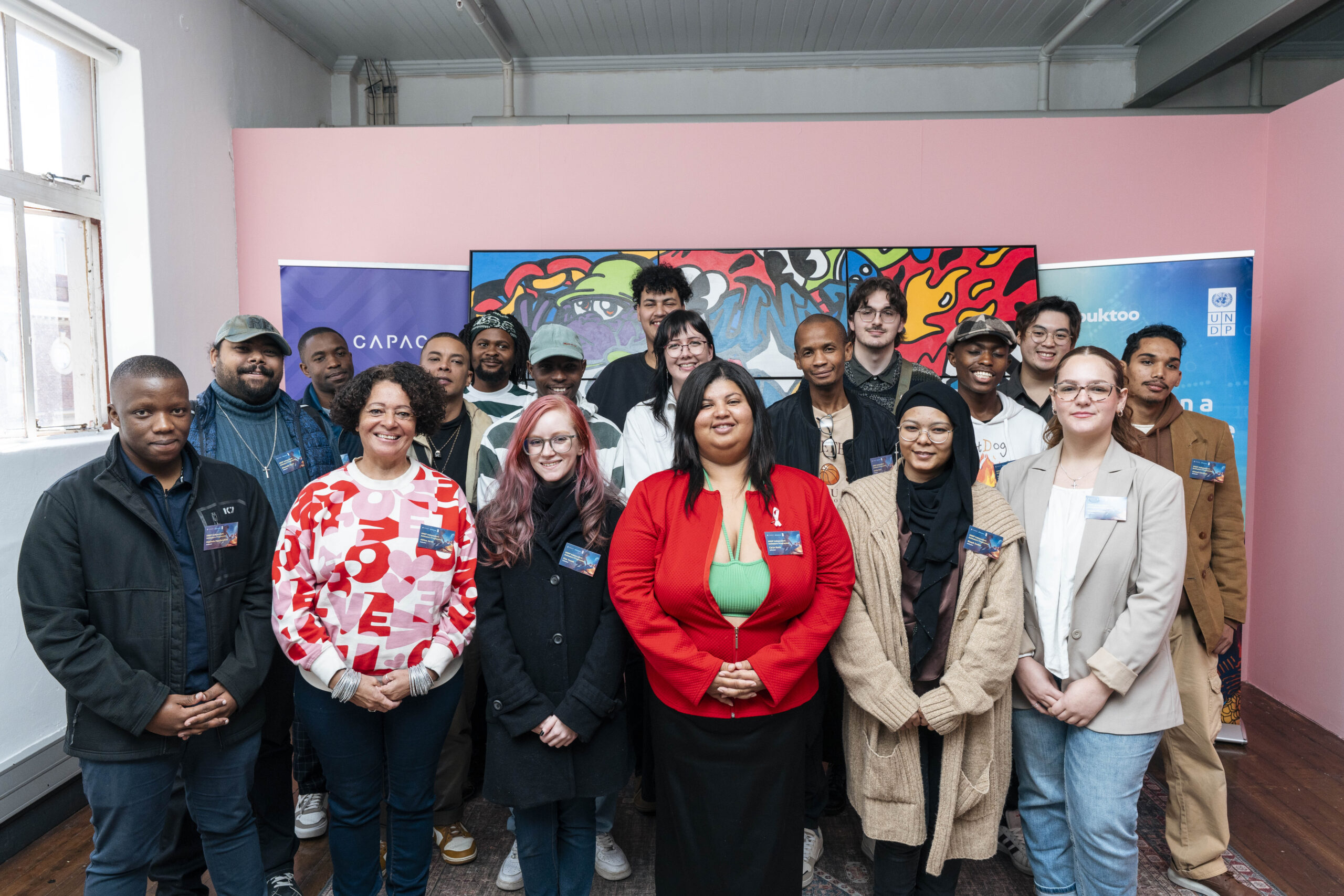
CAPACITI and the UNDP’s timbuktoo welcomed the first cohort of the Independent Animators Capacity Building Programme. 20 independent Pan-African animators were selected from a competitive open call across the continent.
By Kelly Maroon, Talent Executive at CAPACITI l UVU Africa
There is a particular kind of frustration familiar to anyone who has sat on a selection panel for a creative programme in Africa. You read through application after application and encounter people who are genuinely remarkable. Their portfolios hum with personality. Their statements of intent are precise, alive and urgent. They know what kind of story they want to tell, why it matters, and why it has not been told quite like this before.
Then you look at what many capacity-building programmes offer them, and the mismatch becomes difficult to ignore.
More software training. More technical modules. More certificates. More preparation for tools they may or may not have access to once the programme ends.
The problem has rarely been a lack of talent. It has rarely been a lack of vision. What has been missing is the scaffolding around that talent: the industry access, business literacy, production support and ecosystem infrastructure that turn creative promise into sustainable creative careers.
This is what makes the Independent Animators Capacity Building Programme significant.
Powered by the United Nations Development Programme (UNDP) in South Africa, and delivered by CAPACITI through a strategic partnership with UVU Africa, the programme is not simply another creative skills intervention. It is a carefully designed response to one of the continent’s most important cultural and economic opportunities: the rise of African animation as a serious creative economy force.
The programme forms of UNDP’s timbuktoo initiative, a pan-African effort designed to nurture innovation-driven entrepreneurship, transforming innovative ideas into sustainable businesses by strengthening Africa’s startup ecosystem, and connecting entrepreneurs to markets, capital, and growth opportunities.
The timing could not be more important.
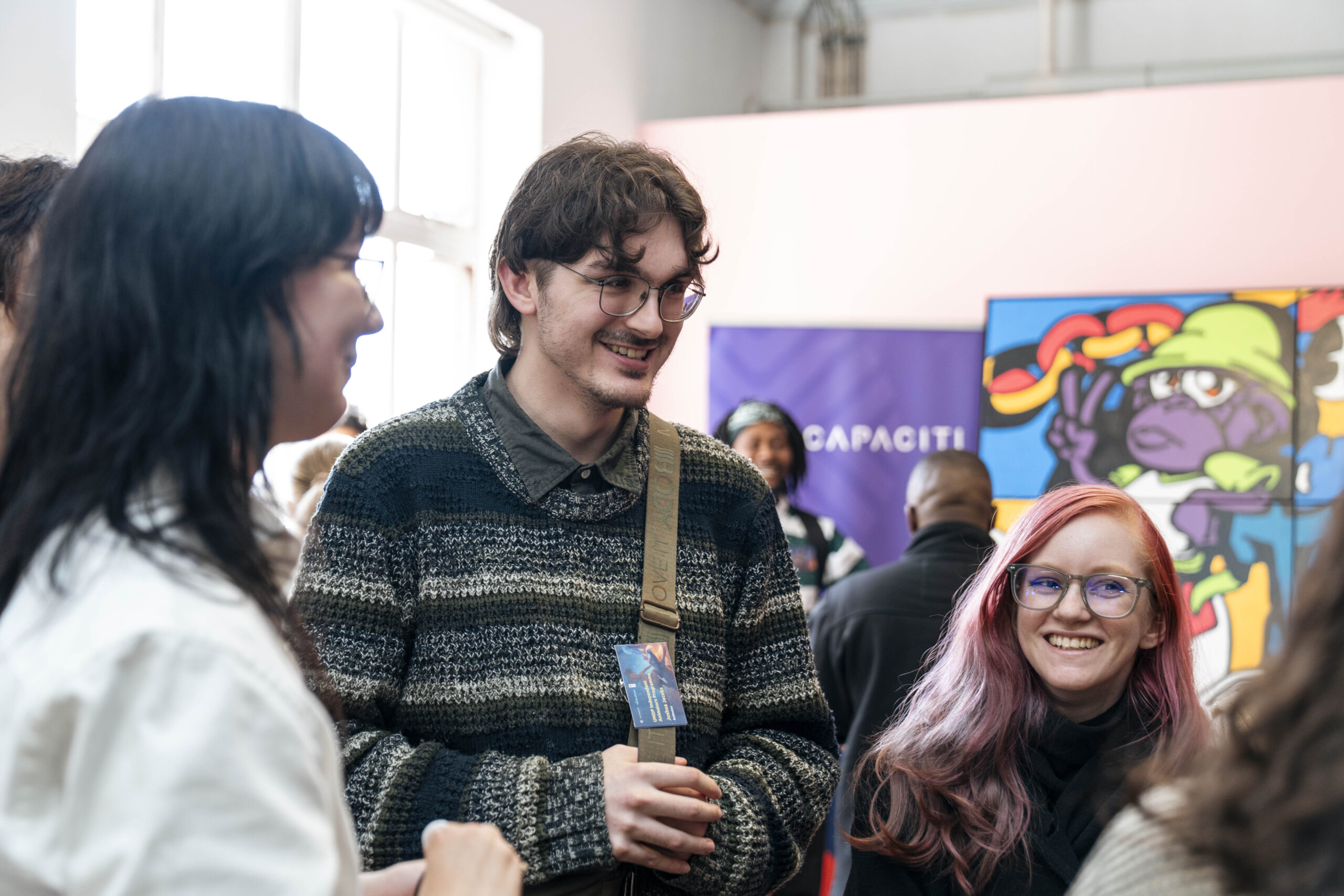
During the launch event, animators shared their origin stories, reflected on what success could look like, and connected with other creatives.
Africa’s animation market is growing rapidly, supported by a young talent pipeline, increasing global appetite for original African stories, and the wider momentum of the continent’s creative economy. Global audiences have already begun to respond to African-originated animation with enthusiasm. Productions such as Iwájú, Kizazi Moto: Generation Fire and Supa Team 4 have shown that African specificity is not a barrier to international reach. It is the reason the work travels.
These productions prove that stories rooted in Lagos, Lusaka, Cape Town and the wider continent can stand confidently on global platforms. But platform attention alone does not build an industry. Demand does not automatically create access. Visibility does not guarantee sustainability.
For African animation to grow with depth, the continent needs more than talented individuals. It needs practitioners who can move with confidence between story, studio, funder, audience and market. It needs animators who understand their creative voice, but also understand proposals, budgets, IP, reporting, partnerships, funding cycles and distribution pathways.
CAPACITI is all too familiar with the gap between talent and opportunity, which is what makes this partnership so catalytic. That is the gap this programme is designed to close.
Running from May to August 2026, the Independent Animators Capacity Building Programme brings together twenty emerging animators from across the African continent. Each participant will produce an animated short, supported by a mini-grant during the production phase. Each will also submit at least one real grant or fellowship application before the programme concludes. The cohort will then gather at the timbuktoo Creative Hub in Cape Town for a final showcase.
That showcase is not positioned as an ending. It is an entry point.
The programme is structured around four pillars: Voice, Craft, Practice and Reach. Together, they represent a more complete understanding of what creative capacity building should be.
Voice places storytelling and creative identity at the centre from the beginning. Craft supports technical growth through curated, self-directed learning and peer exchange. Practice focuses on the business of sustaining a creative life, including budgeting, funding applications, governance, compliance and institutional readiness. Reach addresses how finished work finds its audience, market and opportunity.
This design matters because it reverses a common assumption in arts capacity building: that practitioners must first master the tools and only then find their voice. For this cohort, and for many emerging creatives across the continent, the opposite is true.
Voice is not the reward at the end of the pipeline. It is the engine that makes the pipeline worth learning.

The partnership behind the programme is equally important.
UNDP brings the development mandate, recognising the creative economy as a driver of youth opportunity, inclusive growth, entrepreneurship and cultural value. CAPACITI brings the delivery expertise, translating strategy into a practical learning journey that supports participants with structure, care and measurable outcomes. UVU Africa brings the ecosystem lens, connecting the programme to a wider ambition: the orchestration of an African animation economy that can grow beyond individual interventions.
For funders, development institutions and creative economy advocates, this programme offers an important lesson. If we want African animation to thrive, we cannot stop at talent identification. We must invest in the conditions that allow talent to become a sustainable enterprise. We must support practitioners not only to make work, but to build careers.
The future of African animation will be built by people who know what they want to say and how to sustain the practice required to keep saying it. It will be built by animators who can pitch, budget, collaborate, apply, report, protect their IP and reach audiences without losing the specificity that makes their work powerful.
The twenty animators in this programme already have the voice. What this partnership offers is something equally vital: the catalyst to build the industry they need to succeed.
